
Community
What to know about the $6.3B hack on Binance, likely the biggest-ever crypto theft
By Sofia Patel
Advertisement · Why this ad?
Jason Reed, with a background in sociology from West Virginia University, has dedicated the last 5 years to uncovering community stories in Pittsburgh. His work has appeared in various local outlets, where he exclusively reports on grassroots initiatives and social justice issues.
More from Jason →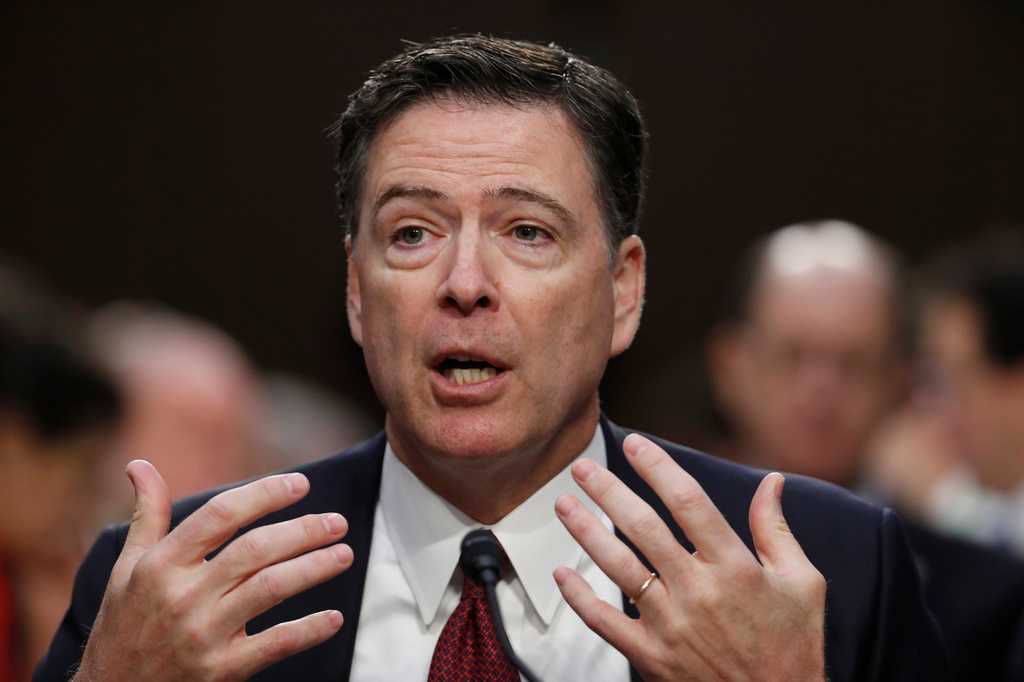
In a crowded courtroom filled with reporters and onlookers, the air was thick with anticipation as a federal judge announced a delay in a case that has captivated the nation. Former FBI Director James Comey, a figure whose tenure has been marked by controversy and scrutiny, stood silently as the judge decided to postpone a ruling on whether to dismiss a placeholder criminal case against him. This decision allows the Department of Justice (DOJ) to further investigate allegations surrounding a decade-old media leak, a matter that continues to resonate with many Americans concerned about accountability and transparency in government.
On Friday, the federal judge's decision to defer a ruling came as a surprise to many observers. The placeholder case against Comey was initially filed to address claims of unauthorized disclosures to the media, which have been a focal point of ongoing investigations. The judge's ruling means that the DOJ now has the opportunity to pursue a new indictment, potentially leading to more serious charges against the former FBI head.
The allegations stem from events that occurred nearly a decade ago, raising questions about the integrity of communications between government officials and the media. Comey's role in these events has drawn the scrutiny of both supporters and detractors, making this case emblematic of broader issues regarding media ethics and governmental transparency.
As the legal proceedings unfold, many wonder how this will impact public perception of the FBI and its leadership. The agency has faced significant challenges in recent years, with trust in law enforcement being a critical issue across the nation. The outcome of this case could either restore confidence or further erode it, depending on how the situation ultimately plays out.
The courtroom drama surrounding Comey has not only captured the attention of legal analysts but also sparked conversations among local residents in Pittsburgh. Many citizens express a deep concern for the integrity of public officials and the justice system. “It’s important that we hold our leaders accountable,” said Mary Thompson, a lifelong resident and community activist. “We need to know that there are consequences for actions, especially when it comes to something as serious as leaking information.”
As the case progresses, community members are engaging in discussions about the broader implications of government transparency. For some, the Comey case is a reminder of the delicate balance between national security and the public's right to know. “I think we all understand that some information needs to stay classified,” noted local educator John Ramirez. “But when officials misuse their power, it undermines everything we stand for as a democracy.”
The sentiments expressed by residents reflect a growing desire for accountability among public officials. Many Pittsburghers are eager to see how this case unfolds, with hopes that it will lead to a more transparent government. “We deserve leaders who are honest and forthright,” said Thompson. “It’s our duty to stay informed and demand integrity from those in power.”
Local business owner Sarah Jenkins echoed these sentiments, emphasizing that the outcome of the case could influence how businesses interact with government entities. “Trust is essential in any relationship, including between the public and those in power,” she explained. “If people feel that their leaders are not held accountable, it can create a culture of distrust that affects everyone.”
In a city that has seen its share of political scandals, the Comey case has reignited conversations about ethics in public service. Community forums and social media discussions have emerged, allowing residents to voice their opinions and concerns. Events organized by local activist groups, such as town halls, have seen increased attendance as citizens seek to engage with the issues at hand.
Looking ahead, the next steps in the Comey case remain uncertain. The DOJ's decision to pursue a new indictment suggests that they are taking the allegations seriously and are committed to uncovering the truth. This could lead to a lengthy legal battle, with potential ramifications not only for Comey but also for the FBI and the wider political landscape.
As the legal proceedings continue, many are left pondering the implications of this case on future government conduct. Will it set a precedent for how media leaks are handled? Or will it reinforce the notion that powerful individuals can evade consequences? The answers to these questions could shape public trust in government institutions for years to come.
Community leaders are calling for vigilance and engagement as the case unfolds. “We must stay active and aware,” urged Ramirez. “This is about more than just one person; it’s about the integrity of our entire system.”
In the coming weeks, it is expected that there will be additional hearings and possibly more media coverage, which may further influence public opinion. Activists are planning rallies to advocate for transparency in government, emphasizing that this case is not just about Comey but about the principles of accountability that should apply to all public officials.
The Comey case could potentially set a precedent that influences how future administrations handle leaks and media relations. Legal experts are closely monitoring the situation, suggesting that the outcome may lead to new guidelines or policies regarding the dissemination of information by government officials. This could have far-reaching effects on how journalists operate and how government transparency is perceived by the public.
Moreover, the case has implications for the political landscape as well. With the upcoming elections on the horizon, candidates may be forced to address issues of transparency and accountability more directly. Voters are increasingly concerned about these topics, and how candidates respond to the Comey case could sway public opinion significantly.
The postponement of the ruling in the Comey case serves as a poignant reminder of the complexities surrounding accountability in government. As the DOJ seeks to address the allegations of a media leak, the implications of this case extend far beyond the courtroom. For residents of Pittsburgh and beyond, it’s a moment to reflect on the values of transparency, integrity, and the importance of holding our leaders accountable.
As the community watches closely, there is a collective hope that this case will not only bring justice but also reinforce the principles that underpin our democracy. The road ahead may be fraught with challenges, but it is also an opportunity for citizens to engage, question, and demand better from those in positions of power.
By Sofia Patel

By Sofia Patel

By Jason Reed
By Jason Reed