
Community
A treat of a Halloween weekend for western PA
By Jason Reed
Advertisement · Why this ad?
Jason Reed, with a background in sociology from West Virginia University, has dedicated the last 5 years to uncovering community stories in Pittsburgh. His work has appeared in various local outlets, where he exclusively reports on grassroots initiatives and social justice issues.
More from Jason →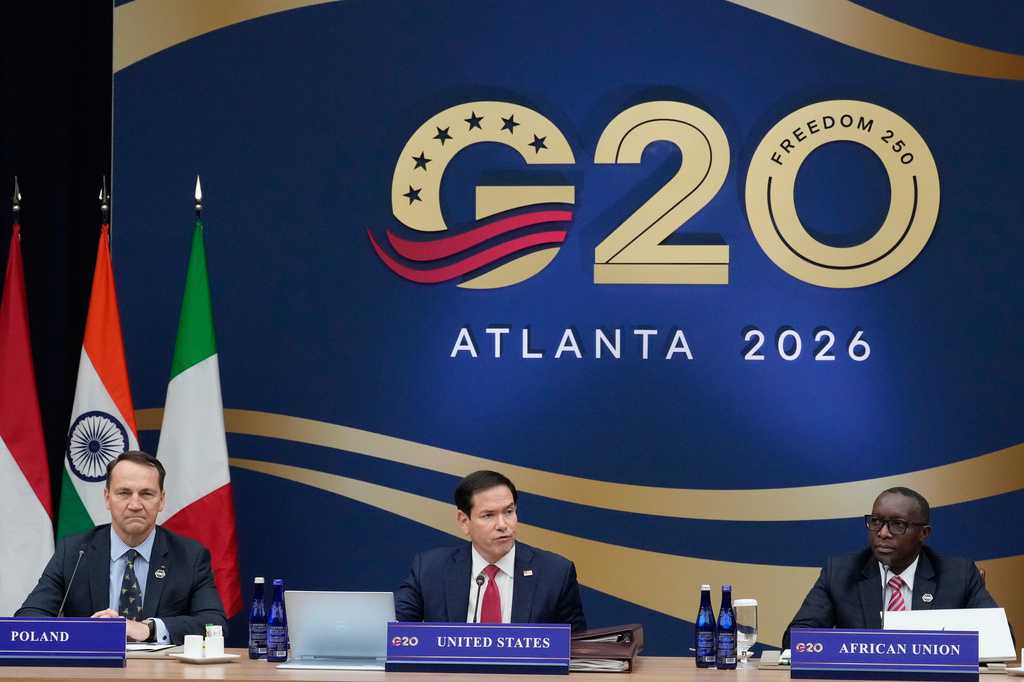
As the sun rose over Atlanta, the air buzzed with anticipation and tension. Delegates from across the globe gathered at the Georgia World Congress Center for the highly anticipated G20 summit. Among them was Pittsburgh's own Ambassador Linda Thomas-Greenfield, who stood at the forefront, embodying the hopes of many for a productive dialogue. Yet, as the opening discussions commenced, a shadow loomed large over the proceedings — objections to Russia's participation led to the cancellation of the traditional group photo, a symbolic gesture of unity among nations.
The G20 summit, held on Friday, brought together finance ministers and central bank governors from the world's largest economies. However, the atmosphere shifted dramatically when discussions regarding Russia's involvement took center stage. The U.S. and several other nations expressed their discontent with Russia's actions, prompting a significant diplomatic rift.
As a result, the anticipated group photo, typically a hallmark of the summit, was scrapped. This decision reflected deeper tensions that have surfaced in international relations, particularly surrounding Russia's recent geopolitical maneuvers. The summit's organizers, aiming to maintain a semblance of unity, faced a challenging situation as they navigated the complex dynamics of global politics.
Pittsburgh residents, many of whom have personal connections to the global economy, watched closely as the summit unfolded. Local business owners expressed concern over the implications of a fractured G20, particularly in light of the region's reliance on international trade. “We need stability in our trade relationships,” said Maria Gonzalez, owner of a local import business. “Anything that disrupts that can have a ripple effect here at home.”
Local leaders echoed these sentiments, emphasizing the importance of maintaining diplomatic ties. “Pittsburgh has always thrived on collaboration,” remarked Mayor Ed Gainey. “It’s crucial that we find ways to work together, even when we disagree.” The mayor's words resonated with many, highlighting the city's commitment to fostering strong international relationships.
The response from the community extended beyond business owners and politicians. Local residents, including students and educators, shared their views on the significance of the summit. “As a student studying international relations, I find it disheartening to see such division,” said Sarah Mitchell, a junior at the University of Pittsburgh. “This summit should be a platform for dialogue, not discord.”
Educators like Dr. Emily Johnson, a political science professor at Duquesne University, emphasized the importance of teaching students about the implications of global politics. “Understanding these dynamics is essential for the next generation of leaders,” she said. “We need to foster critical thinking about international relations and the impact they have on our local communities.”
In a world increasingly divided by political differences, the significance of diplomacy cannot be overstated. The G20 summit was seen as an opportunity for leaders to engage in meaningful discussions that could pave the way for cooperation on pressing global issues, such as climate change and economic recovery post-pandemic. Yet, the cancellation of the group photo serves as a stark reminder of the challenges that lie ahead.
Ambassador Thomas-Greenfield, representing Pittsburgh and the United States, acknowledged the difficulties but remained optimistic. “While we may have disagreements, it’s essential that we continue to engage in dialogue,” she stated. Her commitment to fostering understanding reflects the values many Pittsburghers hold dear — the belief that open communication can lead to solutions.
The repercussions of the G20 summit extend beyond the conference hall. For Pittsburgh, a city that has rebuilt itself on the foundation of innovation and collaboration, the outcomes of international dialogues can significantly influence local economic growth. The tech sector, in particular, relies on global partnerships to thrive.
As discussions unfolded, local tech entrepreneurs were left wondering how geopolitical tensions might affect their ability to expand into international markets. “We’ve worked hard to establish connections abroad,” said James Liu, CEO of a tech startup. “If countries can’t find common ground, it makes it harder for us to do business.”
Pittsburgh's economy has become increasingly interwoven with global markets. The city, once known primarily for its steel industry, has diversified into technology, healthcare, and education. This transition has created a unique environment where local businesses are not just competing nationally but are also part of a global supply chain.
Local economic analysts, such as Dr. Robert Kline from the University of Pittsburgh's Institute for International Business, stress the importance of international cooperation. “The decisions made at summits like the G20 directly affect local industries, especially those that rely on exports,” he stated. “A divided international community can lead to tariffs and trade barriers that hurt our local economy.”
Looking forward, the question remains: how will the G20 leaders navigate their differences? The cancellation of the group photo may be a small symbol, but it encapsulates the broader challenges facing global diplomacy. As Pittsburgh continues to grow and adapt, the community's resilience will be tested by the outcomes of international discussions.
Local leaders are hopeful that the summit will lead to constructive outcomes, emphasizing the importance of unity in addressing global challenges. “We must remember that while we may have different perspectives, we all share a common goal of prosperity and peace,” stated Mayor Gainey. His words serve as a reminder that, even amidst disagreement, the pursuit of collaboration remains vital.
As the G20 summit concludes, community engagement will be more critical than ever. Local organizations are planning forums and discussions to help residents understand the implications of global politics on their daily lives. Events like these will provide a platform for Pittsburghers to voice their concerns and ideas regarding international relations.
Furthermore, local universities are expected to play a pivotal role in fostering dialogue. Initiatives aimed at connecting students with policymakers will encourage a new generation to engage with global issues actively. “We must empower our students to be informed citizens,” remarked Dr. Johnson. “They are the future leaders who will navigate these complex challenges.”
For those interested in staying informed about the G20 summit and its implications for Pittsburgh, several resources are available. The City of Pittsburgh's official website offers updates on local initiatives and international relations. Additionally, the Pittsburgh Chamber of Commerce provides insights into how global events affect local businesses.
Residents can also engage with community forums, such as those hosted by Pittsburgh Forward, to discuss the impact of international relations on local issues. By staying informed and engaged, Pittsburghers can play a role in shaping the future of their community amidst a rapidly changing world.
By Jason Reed
By Sofia Patel

By Sofia Patel
By Jason Reed