It was a wild Jekyll & Hyde weather year for Pennsylvania gardeners
David graduated from Franklin & Marshall College and has been a community journalist for over 8 years, previously working at the Lancaster Examiner. He focuses on the heart of Lancaster, covering local events, festivals, and community initiatives.
More from David →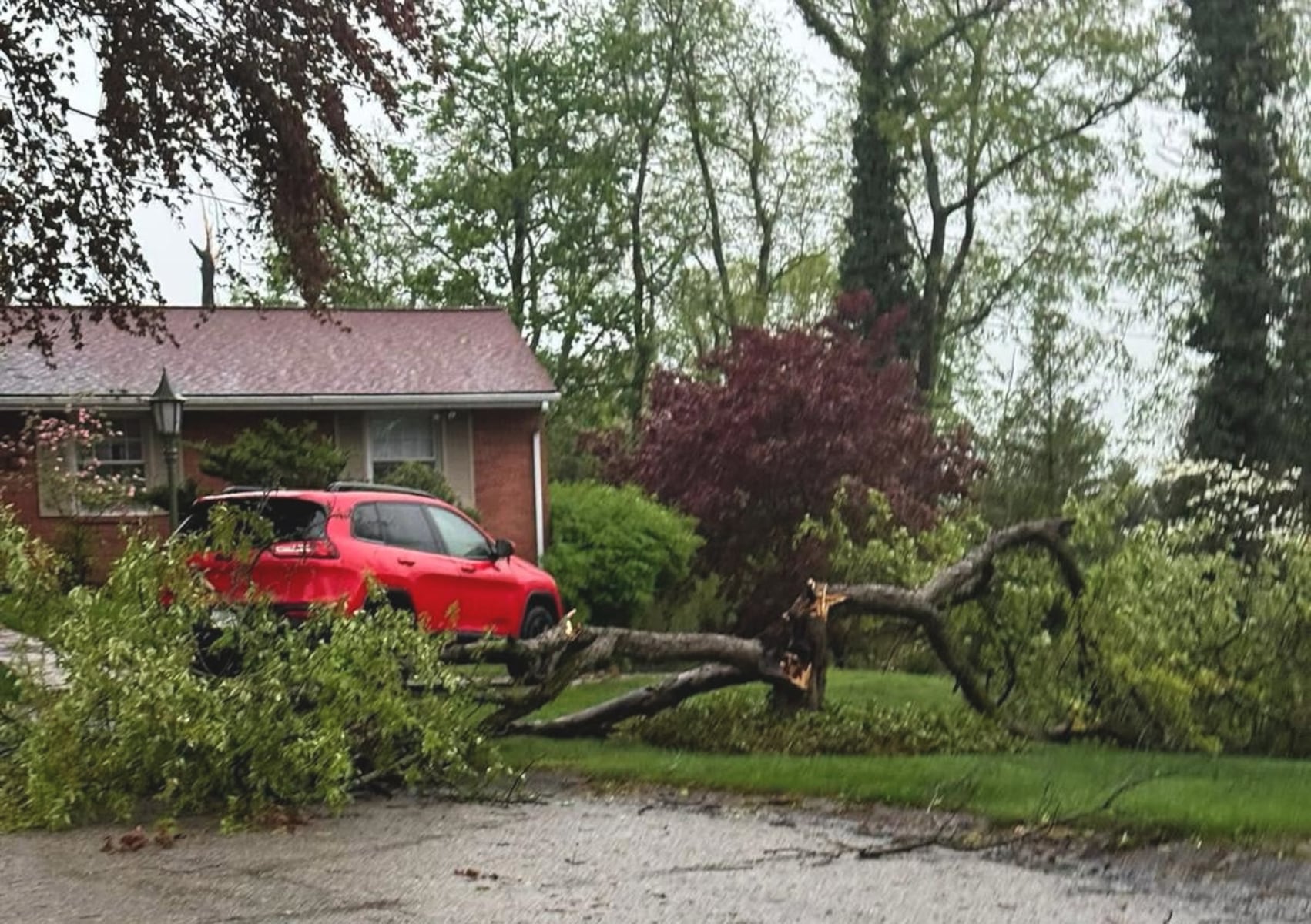
In this story
As the sun sets on another gardening season in Lancaster, the vibrant hues of autumn foliage remind us of the unpredictable journey that this year's weather has taken. Local gardeners, from seasoned horticulturists to enthusiastic novices, have felt the effects of a year described by climatologists as "chaotic" and marked by "weather whiplash." These terms don’t just reflect the dramatic swings in temperature and precipitation; they encapsulate the hopes, challenges, and resilience of a community deeply connected to the land.
What Happened
This year, Pennsylvania gardeners faced a veritable rollercoaster of weather conditions. Early spring brought a promising warmth, coaxing buds to bloom and seeds to sprout. However, this was quickly followed by a late frost that left many gardeners scrambling to protect their tender plants. In Lancaster County, where agriculture plays a crucial role in the local economy and community identity, the impact of these unpredictable weather patterns has been profound.
According to the National Oceanic and Atmospheric Administration (NOAA), the state experienced one of its wettest years on record, with rainfall totals reaching upwards of 50 inches in some areas. This deluge resulted in waterlogged gardens and delayed planting schedules, frustrating many who rely on their green thumbs for both pleasure and profit. Yet, amid these challenges, Lancaster's gardeners have shown remarkable tenacity, adapting their practices to cope with the ever-changing climate.
By mid-summer, the weather took another turn, presenting a scorching heatwave that sent temperatures soaring above 90 degrees Fahrenheit for several consecutive days. This extreme heat, combined with the earlier deluge, created a perfect storm for disease and pests, prompting many gardeners to rethink their strategies. The unpredictability of the weather has forced a reevaluation of traditional gardening practices, pushing gardeners to explore innovative techniques in order to thrive.
Community Reaction
The Lancaster gardening community has responded to these challenges with a spirit of camaraderie and resilience. Local gardening clubs and cooperative extensions have stepped up to provide resources and support for those struggling with the whims of Mother Nature. Community workshops have become a hub for sharing knowledge about drought-resistant plants and sustainable gardening practices, fostering a sense of unity among residents.
Sharing Knowledge
One such workshop, hosted by the Lancaster County Master Gardeners, focused on adapting to changing weather patterns. Participants learned about soil health, irrigation techniques, and plant selection that can withstand extreme conditions. “We’re all in this together,” said Mary Ellen, a longtime gardener and workshop participant. “It’s about sharing what works and supporting each other through these ups and downs.”
Local farmers' markets have also become a gathering place for gardeners to share their experiences and strategies. Vendors often share tips on how to cope with unpredictable weather, emphasizing the importance of community resilience in the face of climate change. As shoppers browse the colorful produce and vibrant flowers, they engage in conversations that highlight the personal stakes involved in gardening — from preserving family traditions to ensuring food security.
What's Next
Looking ahead, the Lancaster gardening community is committed to embracing the lessons learned from this chaotic year. Many are exploring the use of native plants that are better adapted to local conditions, which can help mitigate the impact of extreme weather. The Lancaster County Conservation District is offering resources for gardeners interested in creating more resilient landscapes, emphasizing the importance of biodiversity in combating climate change.
As gardeners prepare for the next growing season, they are also advocating for policies that support sustainable agriculture and environmental stewardship. Local organizations are rallying around initiatives that promote conservation and responsible land use, recognizing that the health of their gardens is intertwined with the health of the environment.
Personal Stories of Resilience
Behind every garden in Lancaster lies a personal story of resilience. Take, for instance, the Johnson family, who have been tending their vegetable garden for generations. This year, they faced the daunting task of replanting after the late frost, but their commitment to their family legacy kept them going. “It’s not just about the vegetables,” said Mary Johnson. “It’s about teaching my children the value of hard work and perseverance.”
Similarly, the community has come together to support those who have struggled the most. Local churches have organized food drives to help families who lost crops due to weather extremes, demonstrating the power of community in times of need. These acts of kindness remind us that gardening is not just an individual endeavor; it is a shared journey that strengthens the bonds within the community.
Resources for Gardeners
For Lancaster residents looking to navigate the challenges of gardening amidst unpredictable weather, numerous resources are available. The Penn State Extension offers a wealth of information on best gardening practices, including workshops and online resources tailored to local conditions. Additionally, the Lancaster County Conservation District provides guidance on sustainable gardening techniques and the importance of native plants.
Local gardening clubs, such as the Lancaster Garden Club, offer opportunities for networking and education, while farmers' markets serve as a vibrant space for community engagement and support. By tapping into these resources, gardeners can not only enhance their skills but also contribute to the resilience of the entire community.
Conclusion: Embracing the Future
As we reflect on this wild weather year, it is clear that the spirit of Lancaster's gardening community remains unyielding. The challenges posed by chaotic weather patterns have fostered a sense of unity, innovation, and resilience that will serve the community well in the future. By embracing sustainable practices and supporting one another, Lancaster gardeners are not just cultivating their gardens; they are nurturing the very fabric of their community.
The Importance of Community Gardening
In Lancaster, community gardening has emerged as a vital component of local resilience. These gardens not only provide fresh produce but also serve as educational platforms for individuals of all ages. Schools have begun to incorporate gardening programs into their curricula, teaching children about nutrition, ecology, and the importance of sustainable practices. The Lancaster School District has partnered with local organizations to create school gardens that provide hands-on learning experiences, encouraging a new generation of environmentally conscious citizens.
Moreover, community gardens have become spaces for social interaction, breaking down barriers and fostering connections among diverse groups. For instance, the Lancaster Community Garden Network has been instrumental in bringing together residents from different backgrounds, promoting inclusivity and collaboration. “Gardening is a universal language,” shared Maria, a community organizer. “It allows us to share our cultures and traditions while working towards a common goal.”
Future Initiatives and Programs
As the Lancaster gardening community looks to the future, several initiatives are on the horizon. The Lancaster County Conservation District is planning a series of workshops focused on regenerative agriculture practices, aimed at equipping gardeners with the tools they need to adapt to changing conditions. Additionally, local universities are conducting research on climate-resilient crops, which could provide valuable insights for gardeners looking to maximize their yields in the face of unpredictability.
Furthermore, there is a growing interest in urban gardening, with initiatives aimed at transforming vacant lots into productive spaces. These projects not only beautify neighborhoods but also contribute to food security by providing access to fresh produce in urban areas. As Lancaster continues to evolve, these efforts will be crucial in ensuring that the community remains connected to its agricultural roots while adapting to the realities of a changing climate.